
Online oyun endüstrisinde yapılan araştırmalara göre kadın oyuncuların oranı %32’ye ulaşmıştır; bettilt giriş bu kullanıcı grubuna özel içerikler geliştiriyor.
Yatırımlarını bahsegel giriş artırmak isteyenler kampanyalarına yöneliyor.
Bahis dünyasında yapılan bir ankete göre kullanıcıların %68’i güvenli ödeme yöntemlerini en önemli kriter olarak görüyor; Bahsegel giriş güncel bu alanda liderdir.
Promosyonlardan yararlanmak isteyenler Bettilt giriş sayfasını sık sık ziyaret ediyor.
Online oyun endüstrisinde yapılan araştırmalara göre kadın oyuncuların oranı %32’ye ulaşmıştır; bettilt giriş bu kullanıcı grubuna özel içerikler geliştiriyor.
Yatırımlarını bahsegel giriş artırmak isteyenler kampanyalarına yöneliyor.
Bahis dünyasında yapılan bir ankete göre kullanıcıların %68’i güvenli ödeme yöntemlerini en önemli kriter olarak görüyor; Bahsegel giriş güncel bu alanda liderdir.
Promosyonlardan yararlanmak isteyenler Bettilt giriş sayfasını sık sık ziyaret ediyor.
Casino games have a unique ability to draw players in, intricately tied to psychological triggers that stimulate excitement and anticipation. The thrill of uncertainty and the potential for large rewards activate the brain’s reward system, including non gamstop casinos. This phenomenon is often linked to the release of dopamine, a neurotransmitter associated with pleasure and reinforcement. When players experience winning moments, this chemical reaction reinforces their behavior, compelling them to return to the gaming floor.
Moreover, the ambiance of casinos—complete with vibrant lights, enticing sounds, and free drinks—creates an environment designed to heighten emotional responses. The use of these sensory elements plays a significant role in enhancing players’ experiences while simultaneously blurring the line between reality and the gaming world. This sensory overload can lead to a state of heightened engagement, encouraging longer play sessions and increased spending.
Understanding how risk and reward influence player behavior is crucial in analyzing casino dynamics. Many players are drawn to the thrill of risk-taking, as it offers the potential for significant financial gains. This allure of risk is often magnified in games such as slots, where the unpredictability of outcomes enhances the excitement. Players often engage in what psychologists term “variable reinforcement,” where rewards are unpredictable, creating a cycle of hope and desire that drives continued play.
The psychology behind this behavior is rooted in concepts of loss aversion and the gambler’s fallacy, which leads players to believe that they can influence outcomes or that a win is ‘due’ after a series of losses. These cognitive biases can keep players betting longer than they initially intended, showcasing the complex interaction between psychological factors and gambling behavior.
Social dynamics play a significant role in shaping player behavior within casino environments. Many individuals are drawn to casinos not just for the games but for the social interactions they facilitate. The communal atmosphere around table games or slot machines fosters a sense of belonging and shared experience, which can amplify enjoyment and increase the likelihood of continued play. This social dimension can mask the financial risks involved, as players often focus on camaraderie over caution.
Additionally, the presence of other players introduces elements of competition and collaboration, influencing betting patterns and decision-making. For instance, players might alter their strategies based on the actions or reactions of those around them. This social interaction creates a layer of complexity in player behavior that extends beyond individual psychology, highlighting the collective nature of gambling experiences.
Cognitive biases profoundly influence how players perceive and engage with casino games. One prevalent bias is the illusion of control, where players believe they can influence the outcome of games of chance. This false sense of agency often leads to more aggressive betting behaviors and can contribute to problem gambling. Understanding this bias is crucial for both players and casino operators, as it shapes strategic decisions around gameplay.
Another significant cognitive bias is the concept of “near misses.” When players experience a close loss, such as spinning a slot machine and falling just short of a winning combination, it can trigger feelings of optimism and encourage them to continue playing. This phenomenon highlights the psychological nuances behind gambling, as near misses can create an illusion of potential success, motivating players to persist despite losses.
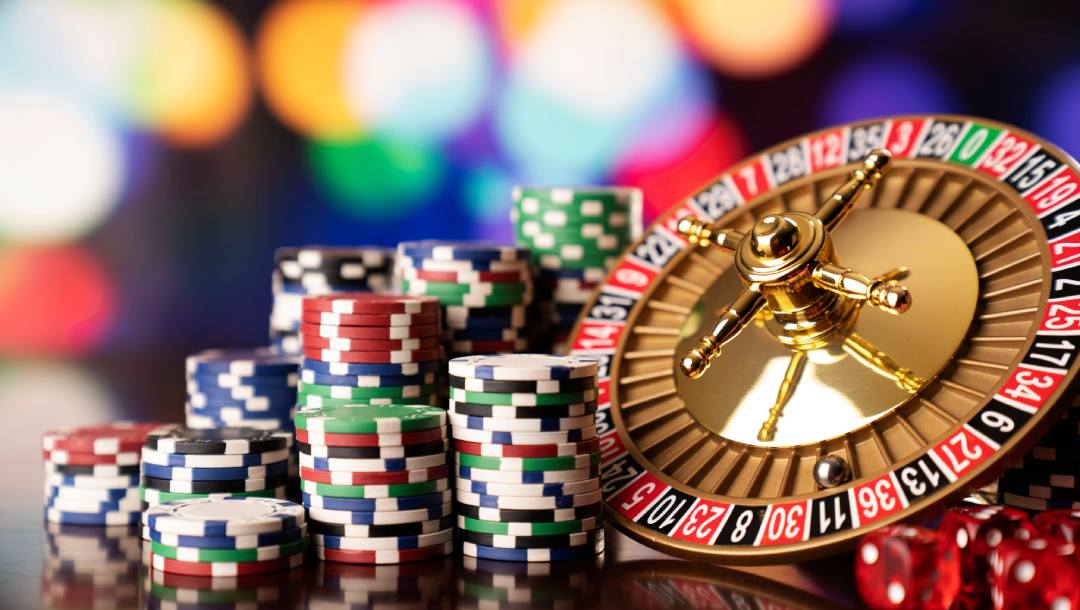
At our website, we prioritize the well-being of our players by providing a secure and informative platform for exploring the world of casino gaming. We understand the psychological dynamics at play and strive to educate our users on responsible gambling practices. Our resources are designed to empower players with the knowledge they need to make informed decisions and recognize the importance of setting personal limits while enjoying their gaming experiences.
By fostering a community focused on safe and enjoyable gambling, we aim to mitigate the risks associated with gaming behaviors. Our commitment to player security means we provide the necessary guidance and support to help individuals navigate the complexities of casino games, ensuring that their experiences remain both fun and responsible.